Summer is a wonderful time to enjoy longer days, outdoor adventures, and time with family and friends. However, Florida’s heat and humidity can pose serious risks to pets if proper precautions aren’t taken.
By understanding common warm-weather hazards and planning ahead, you can help keep your pets safe, healthy, and comfortable all summer long.
Heat Can Be Dangerous for Pets
Unlike people, pets cannot cool themselves efficiently through sweating. Dogs primarily regulate body temperature by panting, while cats often seek shade and cooler areas when temperatures rise.
When temperatures and humidity climb, pets can quickly become overheated, which may lead to heat exhaustion or life-threatening heatstroke.
To help prevent overheating:
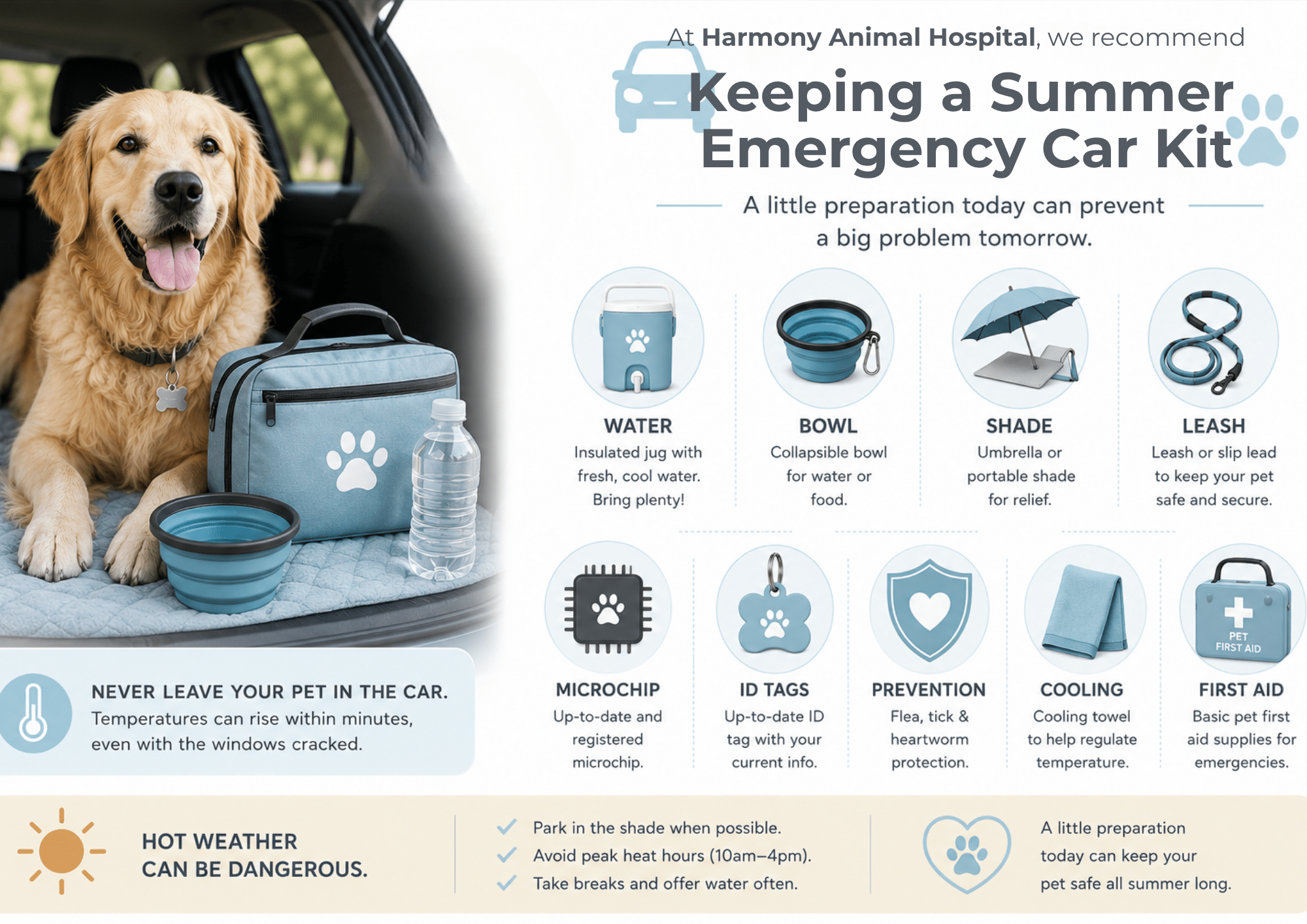
- Provide access to fresh, clean water at all times (Always have a well insulated water bottle, such as the RTIC Ceramic Lined Insulated Outback Water Bottle and a silicone collapsible bowl in the car.
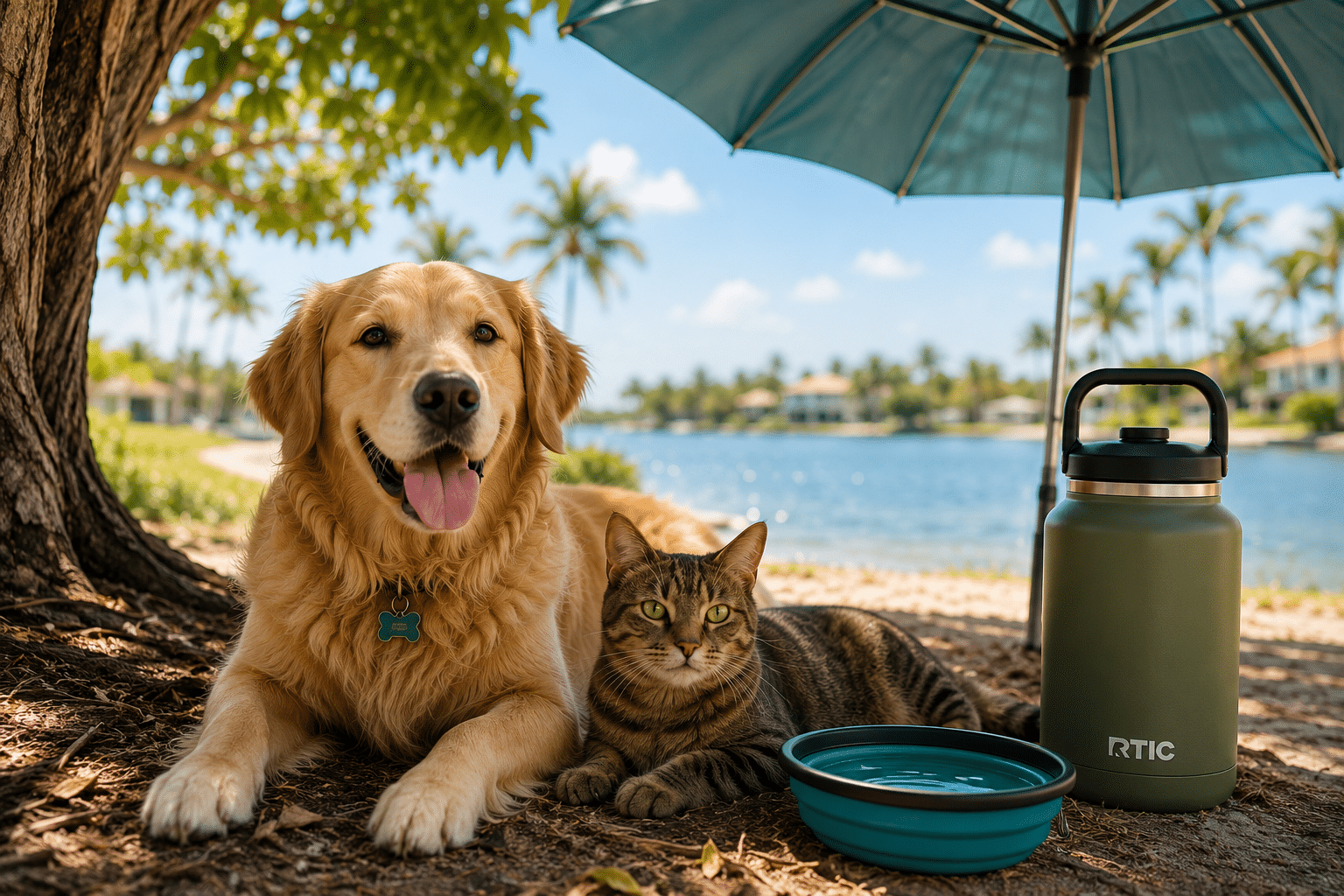
- Ensure pets have access to shade when outdoors (Always keep a large umbrella or pop-up canopy in your car)
- Avoid strenuous exercise during the hottest parts of the day
- Walk dogs early in the morning or later in the evening
- Never leave pets unattended outdoors for extended periods

Remember that humidity can make it even more difficult for pets to cool themselves, even when temperatures don’t seem excessively high.
Some Pets Are at Higher Risk
Certain pets are especially vulnerable to heat-related illness.
This includes:
- Senior pets
- Puppies and kittens
- Overweight pets
- Pets with heart or respiratory disease
- Pets with thick coats
- Brachycephalic breeds
Brachycephalic (“short-nosed”) breeds have shortened airways that make it more difficult for them to cool themselves through panting.
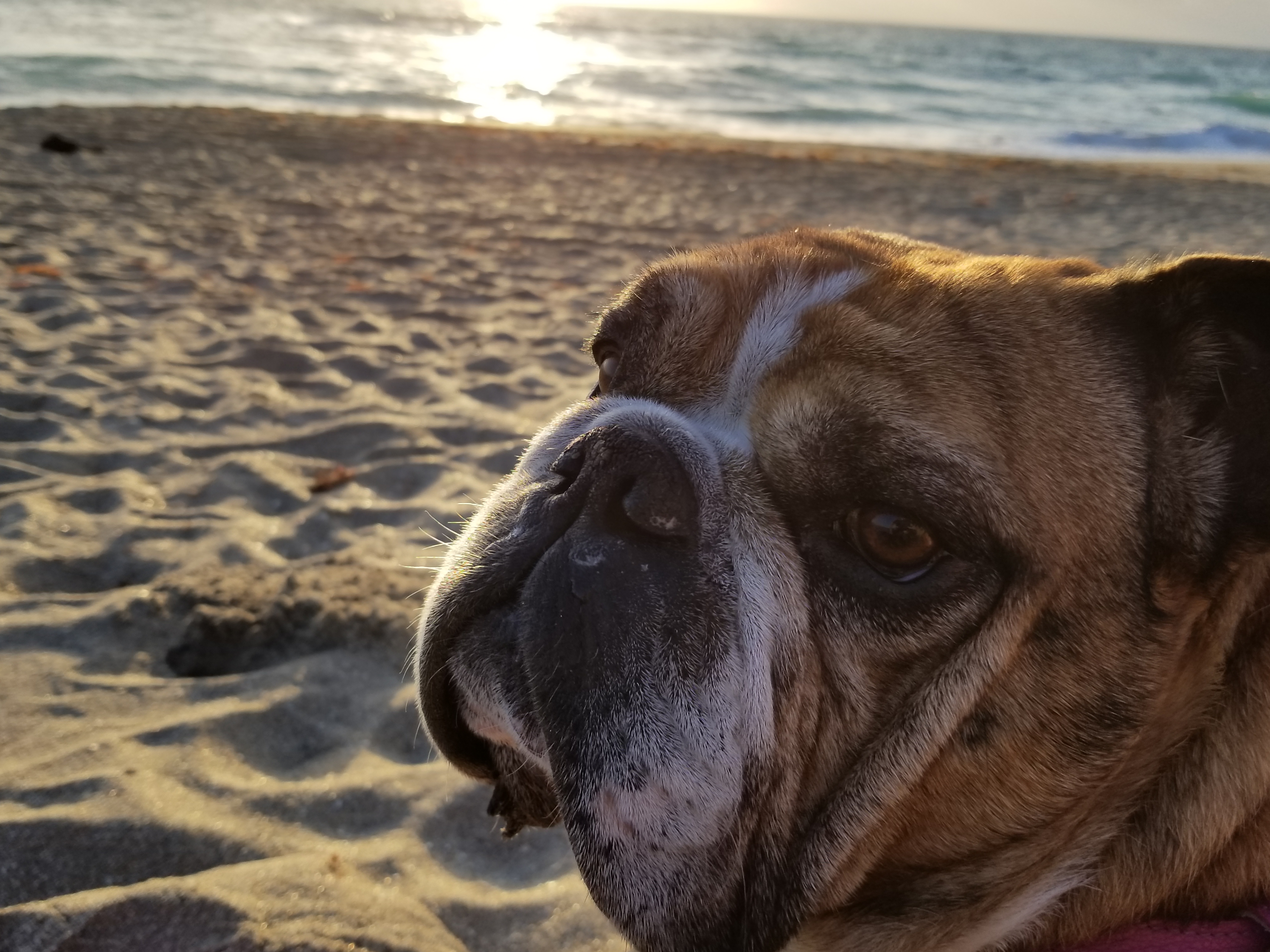
Examples include:
- Bulldogs
- French Bulldogs
- Pugs
- Boston Terriers
- Boxers
- Shih Tzus
- Persian cats
These pets may overheat much more quickly than other breeds and should be monitored closely during warm weather.
Never Leave Your Pet in a Parked Vehicle
Even on a seemingly mild day, temperatures inside a vehicle can rise to dangerous levels within minutes.
Cracking windows provides very little protection from heat buildup.
Leaving a pet unattended in a parked vehicle can quickly result in heatstroke and can become fatal in a very short period of time.
If your pet cannot accompany you inside, it is safest to leave them at home.
Protect Sensitive Paw Pads
Sidewalks, asphalt, and sand can become extremely hot during the summer months and may cause painful burns to your pet’s paw pads.
A simple test is to place the back of your hand on the surface for seven seconds. If it is too hot for your hand, it is too hot for your pet’s paws.
Choose walks during cooler parts of the day and consider grassy areas whenever possible.
Recognize the Signs of Heatstroke
Heatstroke is a life-threatening emergency that can develop quickly, especially during Florida’s hot and humid summer months. If your pet shows any of the warning signs above, move them to a cool, shaded area, begin cooling them with cool (not ice-cold) water, and contact your veterinarian or the nearest emergency hospital immediately. Do not wait to see if they improve on their own.

Water Safety Matters Too
Many pets enjoy spending time near pools, lakes, and beaches during the summer.
For water-loving pets:
- Never leave them unsupervised around water
- Introduce swimming gradually
- Consider a properly fitted life jacket when boating
- Rinse saltwater or pool chemicals from their coat after swimming
- Provide fresh drinking water to discourage drinking from pools, lakes, or the ocean
Not all dogs are natural swimmers, and even experienced swimmers can become fatigued.
Watch Out for Summer Gatherings
Backyard cookouts and summer celebrations can expose pets to hazards including:
- Corn cobs
- Cooked bones
- Alcoholic beverages
- Fatty foods
- Chocolate desserts
- Onions and garlic
- Skewers and food wrappers

While it’s tempting to share treats with our pets, many common cookout foods can cause digestive upset or serious medical problems.
Keep Parasite Prevention Up to Date
Fleas, ticks, mosquitoes, and intestinal parasites are active year-round in Florida and often become more problematic during the warmer months.
Maintaining consistent parasite prevention helps protect your pet from:
- Fleas and ticks
- Heartworm disease
- Intestinal parasites
- Tick-borne diseases
If you’re unsure whether your pet is protected, our team can help review the best prevention plan for their lifestyle.
Enjoy Summer Safely
With a little preparation, summer can be a fun and memorable season for both pets and their families.
By preventing heat-related illness, practicing water safety, maintaining parasite prevention, and recognizing potential hazards early, you can help ensure your pet stays safe all season long.
If you have questions about heat safety, travel plans, parasite prevention, or your pet’s overall summer health, contact Harmony Animal Hospital. We’re here to help your pets stay happy, healthy, and comfortable all summer long.